The "Last Ten Minutes" Challenge
It is the unspoken truth of yachting: a perfect day on the water can be ruined by the last ten minutes.
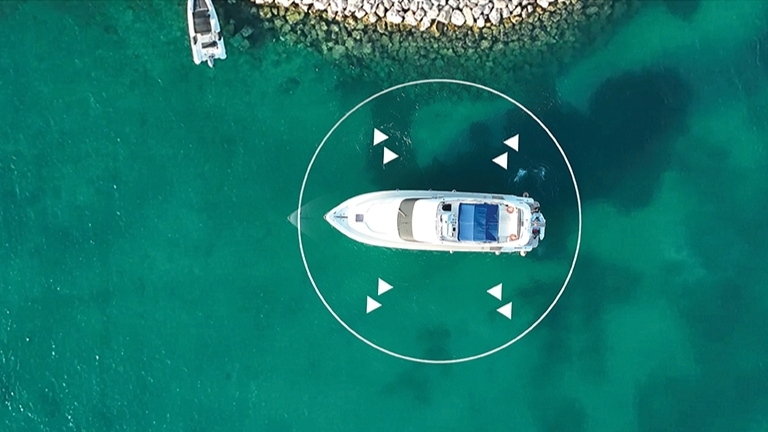
Pulling a 70-footer into a tight slip with a crosswind, an adverse current, and a crowded marina is a high-pressure scenario for even the most seasoned captains. Blind spots are inevitable, communication with the deck crew can be difficult, and the margin for error is razor-thin.
[embed]https://youtu.be/ba6ZtFNnfTE[/embed]
At Easthope Marine, we are seeing a surge in clients requesting a solution that changes this dynamic completely: Dockmate.
This wireless remote docking system is quickly becoming a standard request during our refit and management projects. Here is why we recommend Dockmate to owners who want to take the stress out of maneuvering.
Eliminating the "Helm Blindness"
The primary limitation of traditional docking is that the captain is stuck at the helm. On many vessels, this means you are 40 feet away from the stern platform where the action is happening, or you are unable to see the port bow as it swings toward a piling.
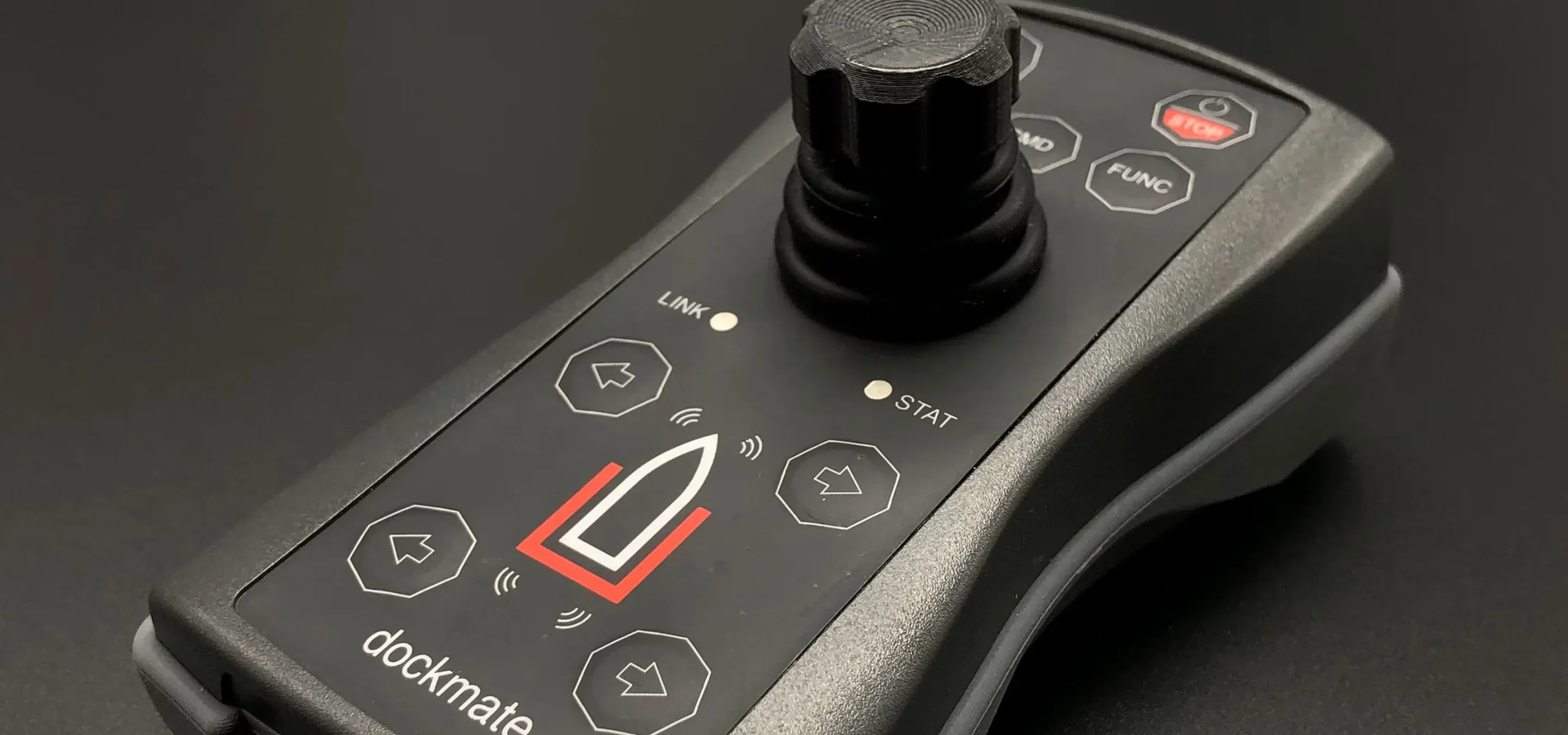
Dockmate untethers you from the bridge. With a wireless remote around your neck, you can walk to the side deck, the cockpit, or the bow. You stand exactly where you need to be to judge the distance, effectively becoming your own spotter. This visibility alone significantly reduces the risk of gelcoat damage.
Precision Control, Not Just Power
Early remote systems were often "all or nothing"—jerky, on/off responses that could make a yacht lurch. Dockmate has refined this with proportional control.
The system’s "SoftDocking" technology allows you to feather the throttles and thrusters, giving you the ability to nudge the boat inches at a time rather than feet. Whether you are fighting a stiff breeze or just trying to gently lay the swim platform against the dock for guests, the inputs are smooth and predictable.
Aviation-Grade Safety Redundancy
One of the most common questions we get is, "What happens if the signal fails?"
Dockmate uses a proprietary communication protocol (DockLink™) that spreads the signal across multiple frequency channels simultaneously, hopping between them constantly. It is a fail-safe similar to what is used in aviation. If the receiver ever loses contact with the remote, the system immediately shifts the engines to neutral. You never lose control of the vessel.
Seamless Integration During Your Next Yard Period
The beauty of Dockmate is its compatibility. It is designed to "shake hands" with the electronic engine controls you likely already have—Volvo Penta, MAN, Caterpillar, Yanmar, and major thruster brands like Side-Power and Vetus.
Because it integrates with your existing systems, installation is often less invasive than owners expect.
- For Newer Yachts: It is often a plug-and-play integration with the digital CAN bus system.
- For Older Yachts: Even vessels with mechanical controls can be retrofitted with ease.
The Easthope Recommendation
We view Dockmate not just as a gadget, but as an insurance policy for your peace of mind. It allows an owner-operator to handle a larger vessel with confidence and allows professional crews to dock with surgical precision.
If you have a yard period coming up, this is the perfect time to add a wireless docking system to the work list.
Ready to upgrade your maneuverability? Contact Easthope Marine to discuss if your vessel is compatible with a Dockmate installation.