Proper Winterization Prevents Costly Spring Repairs and Extends Vessel Life
Pulling the boat out of the water can feel like the last step of boating season, but before the cover goes on there is another important step: properly preparing the boat for months of winter storage. A rushed or incomplete winterization can leave water, moisture, fuel and other systems sitting idle through freezing temperatures, potentially creating costly problems when it is time to get back on the water next spring. To help make your boat last for years to come, and to prevent expensive fixes in the spring, here are some helpful tips for winterizing your vessel. Whether you own a powerboat, trawler, or explorer yacht, these maintenance steps apply across the board and are especially critical for vessels that will sit dormant through cold months.
Old oil contains acid and moisture that can pit bearings and corrode engine internals over the winter, so be sure to change your engine oil and filters before storing your boat for the winter. It is better to change your oil right before you decommission your boat because if there is any moisture or contaminants in the oil from its usage, you do not want it sitting there all season. By doing your oil change beforehand, you can have an easier and healthier start when the next season opens. Boaters should also flush out their engines to remove saltwater, mud and debris. Once the engine is flushed, boat owners can circulate non-toxic marine antifreeze through the raw-water cooling system until it runs out the exhaust. Another important step in winterizing your boat is by stabilizing the fuel. Add a marine-grade fuel stabilizer to the tank before the final run of the season so it circulates through the entire fuel delivery system, including carburetors, fuel injectors, and lines. Similarly to owning a vehicle, you want to stabilize the fuel and drain the tank if you can. It is also a good opportunity to replace hoses, too. You are knocking out two birds with one stone, there.
Similarly to draining your tank, boaters will also want to completely drain the freshwater tank, hot water heater, ice makers, livewells, washdowns and bilge pumps. Running antifreeze through the plumbing is an added plus. Be sure to pump the antifreeze through the entire freshwater network until it runs pink out of every faucet, showerhead and spigot. This prevents freeze damage that can crack pipes and create leaks when temperatures drop below freezing. Another practical winterization tactic for boaters is to disconnect and store batteries. Be sure to fully charge all onboard batteries, disconnect the cables and store them in a cool, dry place off concrete floors. Boat owners should also remove portable GPS units, VHF radios, fishfinders and sound system head units and speakers, if possible, to prevent moisture damage, theft and extreme temperature wear. You are going to want to look over your battery terminals and fuse boxes to see if there is any corrosion there, and clean some of the connections, depending on what type of boat you have. Similar to a car or lawnmower, if you let your battery sit for the season, it will not work come the next season. So be sure to put your battery on a charger.
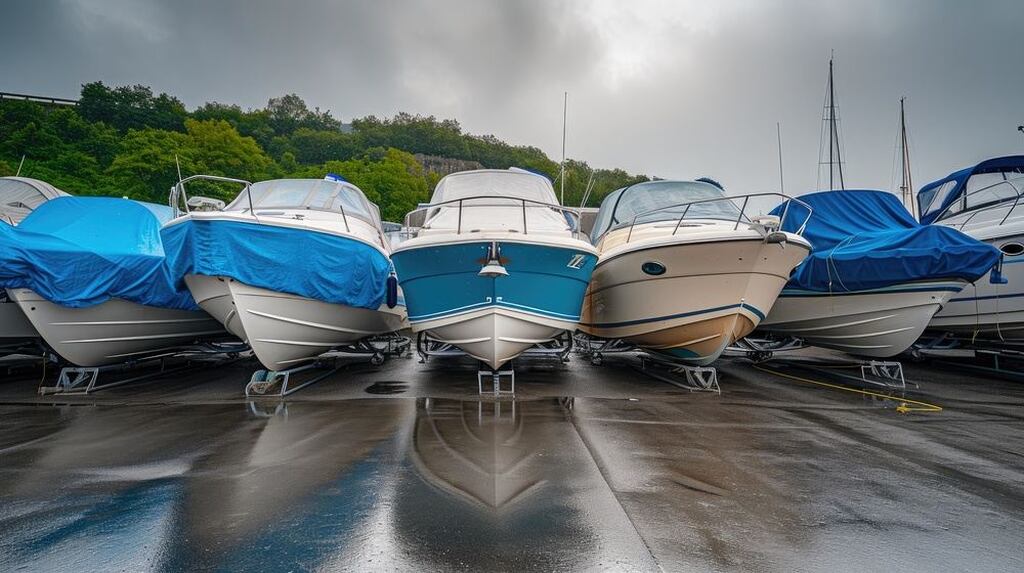
One of the most overlooked areas of a boat during winterization are the hulls and exterior surfaces. Pressure wash the bottom to remove marine growth, algae and barnacles before they harden. Apply a fresh coat of wax to the topsides and gelcoat to guard against winter buildup. Remove the drain plug while the boat is in storage to prevent rainwater or condensation from accumulating in the bilge. Tie the plug to the ignition key or steering wheel so it is not forgotten in the spring. Deep clean the interior by removing all food, trash, towels, cushions and life jackets. Vacuum and wipe down all lockers and compartments to prevent mildew and discourage rodents. Prop open locker doors, refrigerators and hatches to promote airflow. Place desiccant tubs or solar-powered vent fans inside to control humidity and prevent mold. This ventilation strategy is especially important for explorer yachts and larger vessels where moisture accumulation can cause significant damage over months of storage.
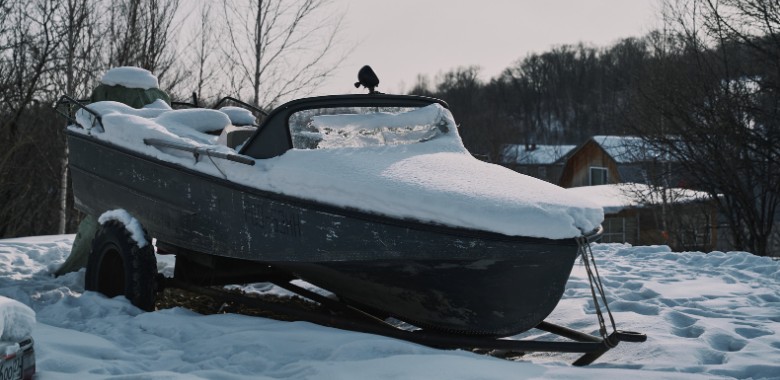
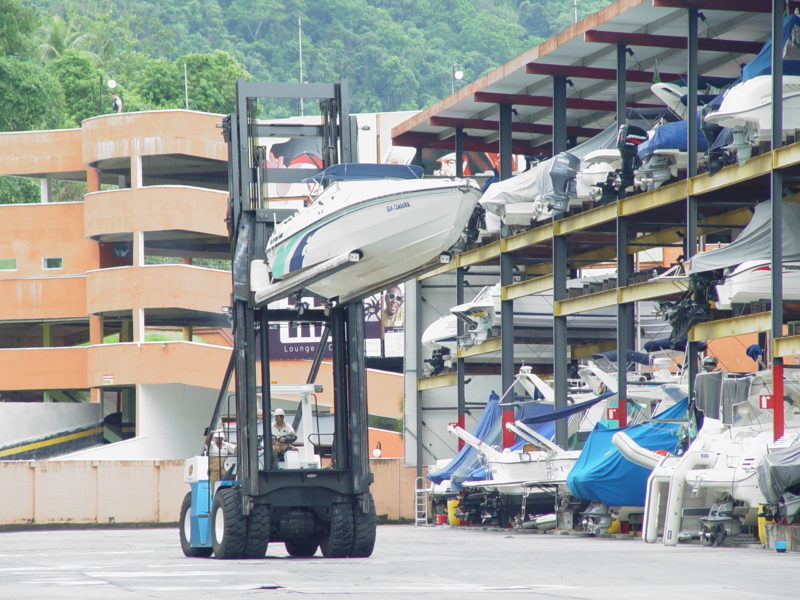
The best place to keep your boat during the winter months is inside, but if that is not possible, then you need to ensure the boat is properly covered. Heat shrinking is the next best option if you are leaving a boat outside. Many people will heat shrink their boats during the winter. Using a heavy-duty custom canvas cover or storing the boat under a shelter will also prevent snow and ice accumulation from breaking seams or cracking gelcoat. Winterization may not be the most exciting day for boat owners, but doing it correctly can help make sure next year is season begins on the water and not in a repair shop. Easthope Marine specializes in comprehensive vessel maintenance and winterization services for explorer yachts and powerboats of all sizes. Whether you need guidance on seasonal storage, engine preservation, or full winterization support, Easthope Marine’s experienced team can help protect your investment through the off-season and ensure your boat is ready for immediate use when spring arrives.
This article has been sourced from press releases and cross-referenced with multiple websites. Facts originally seen at Source.